Playground
Playground
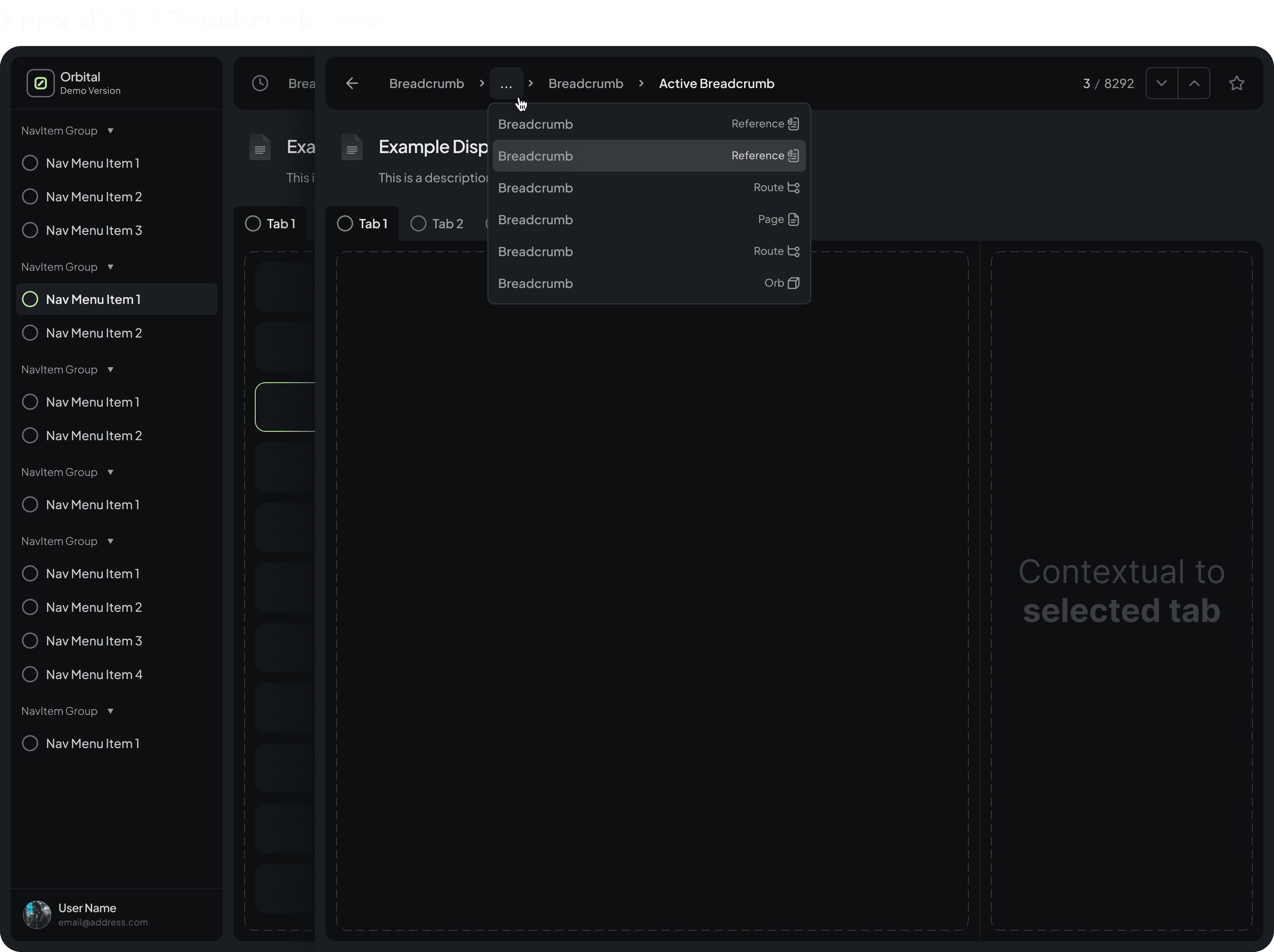
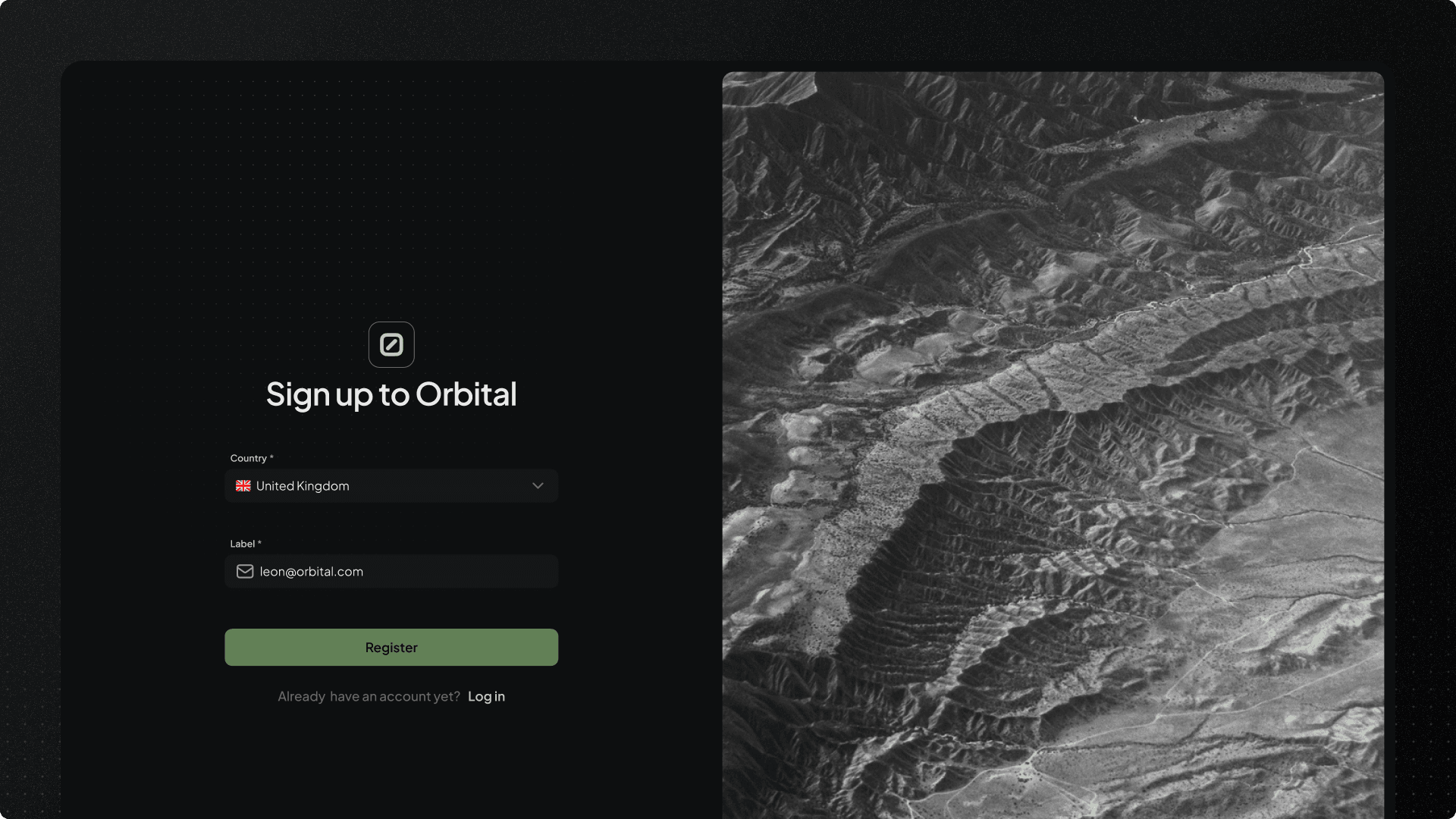
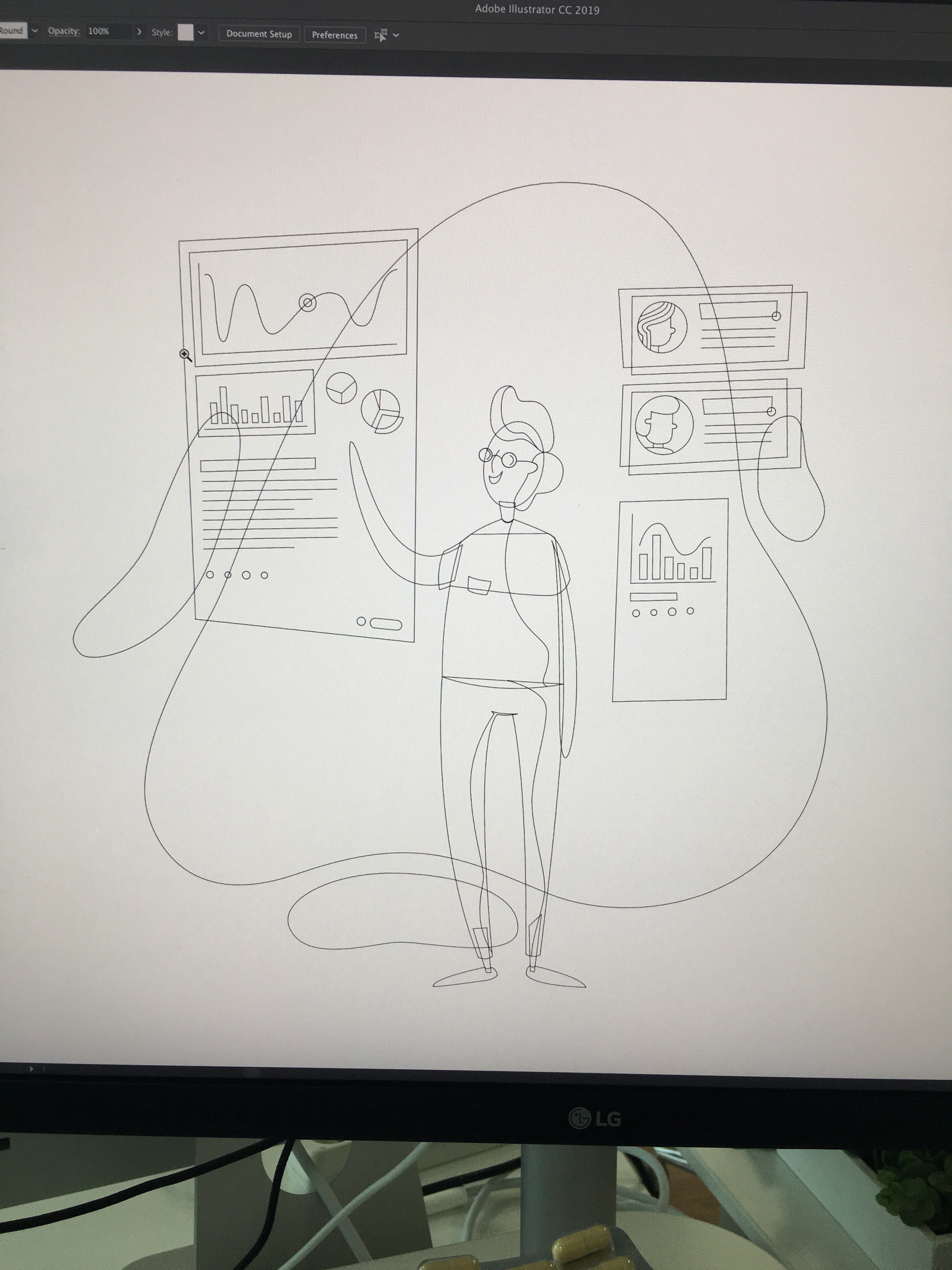
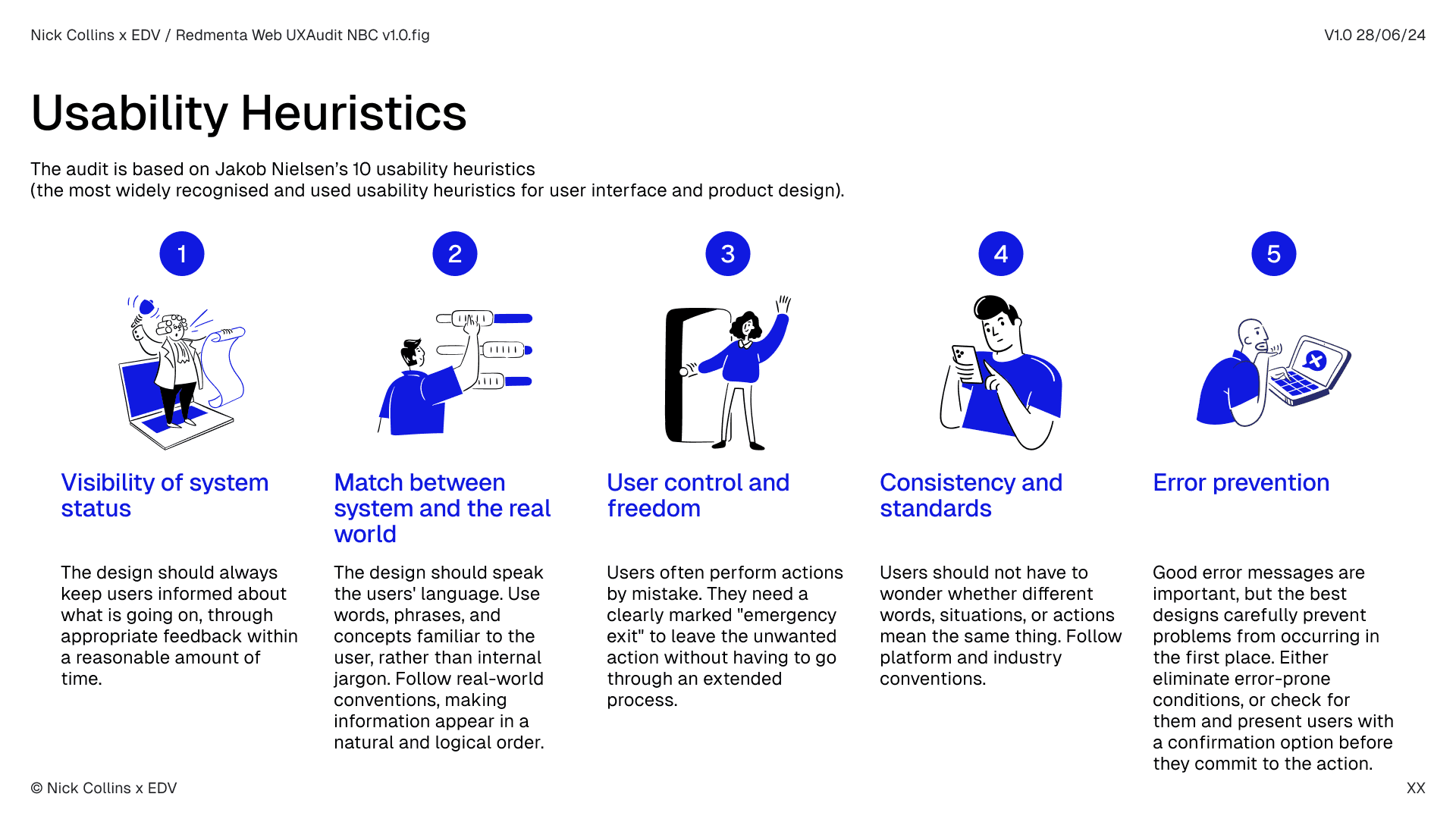
This page is a place to put things without overthinking them.
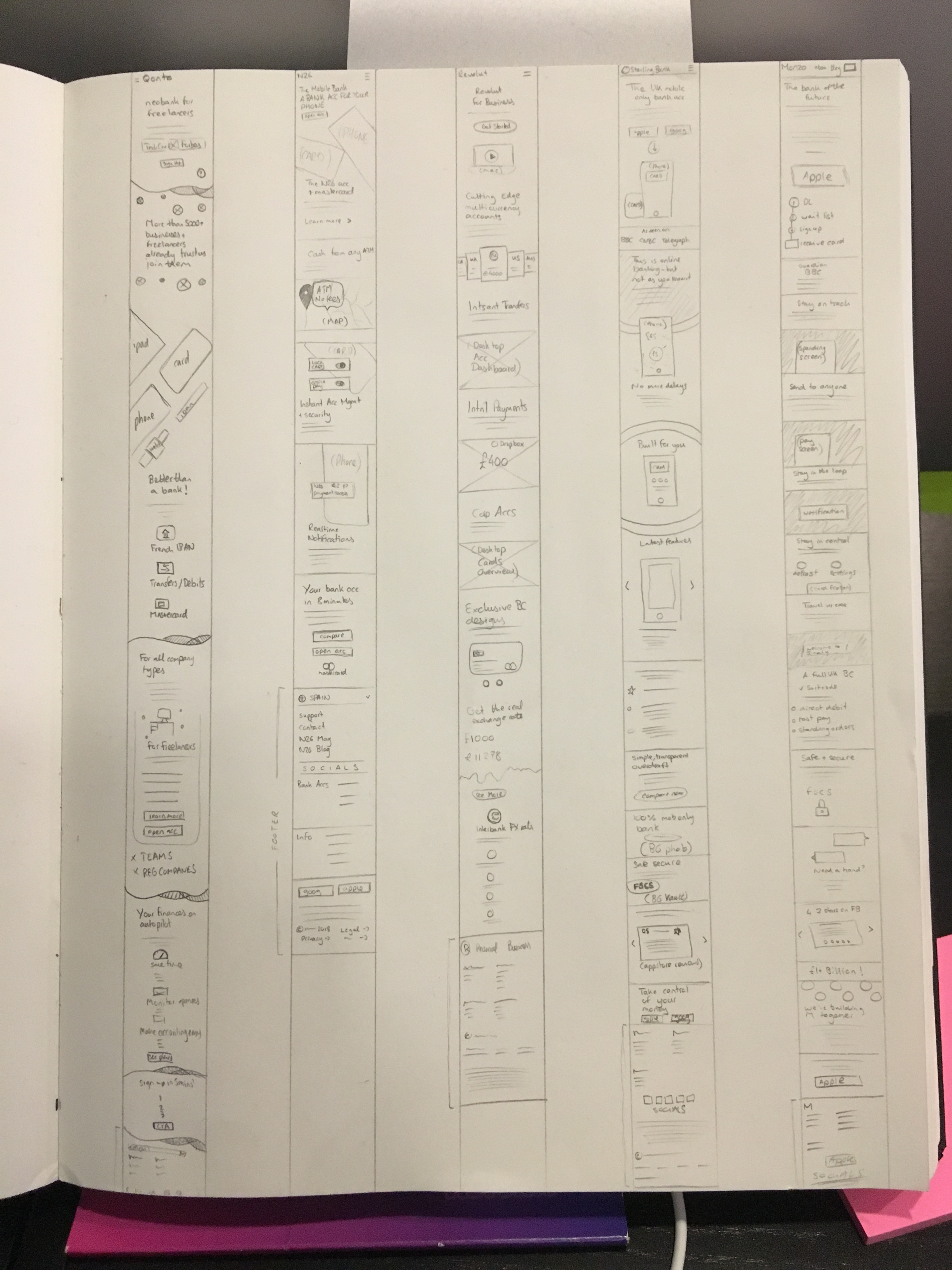
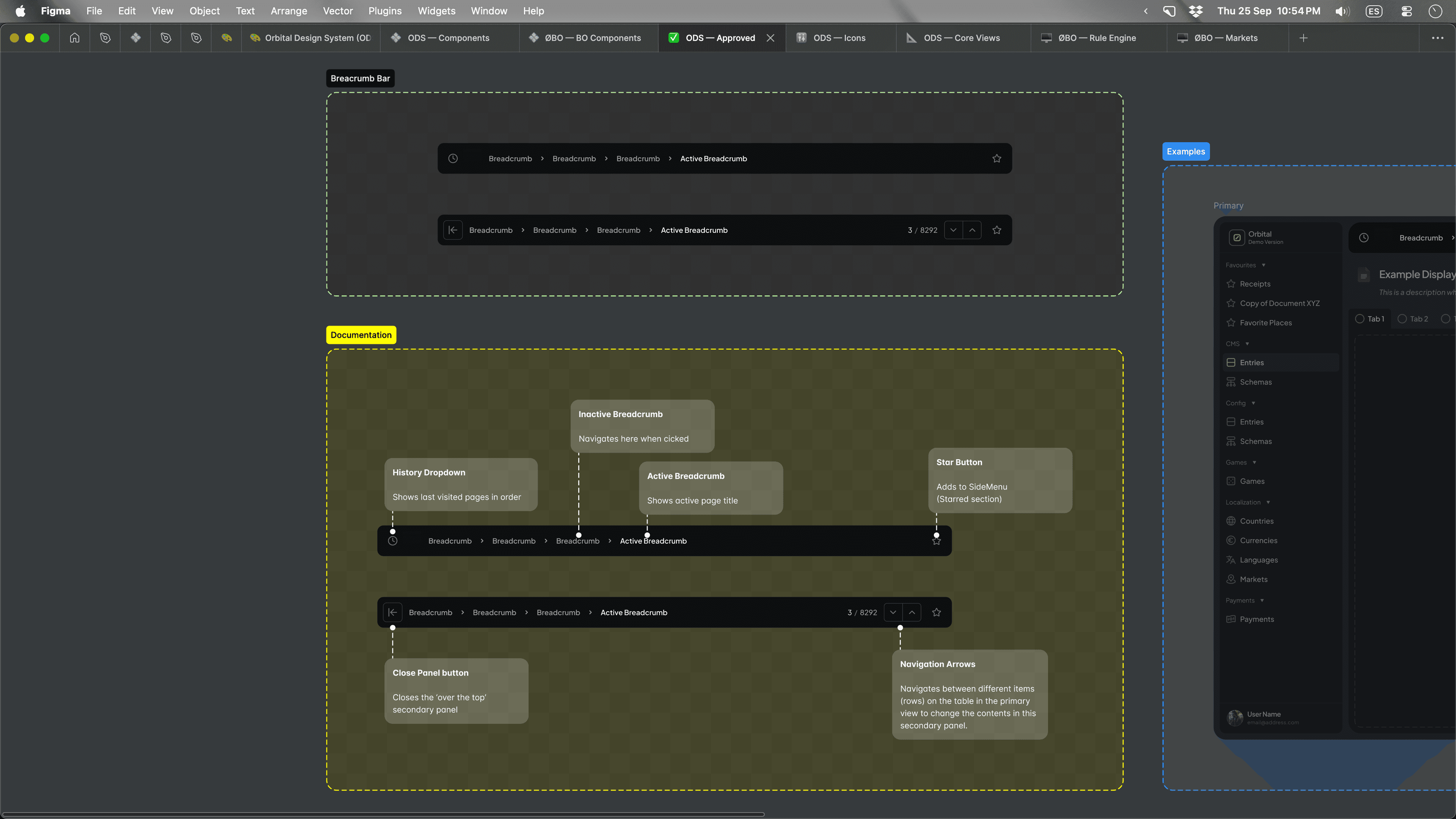
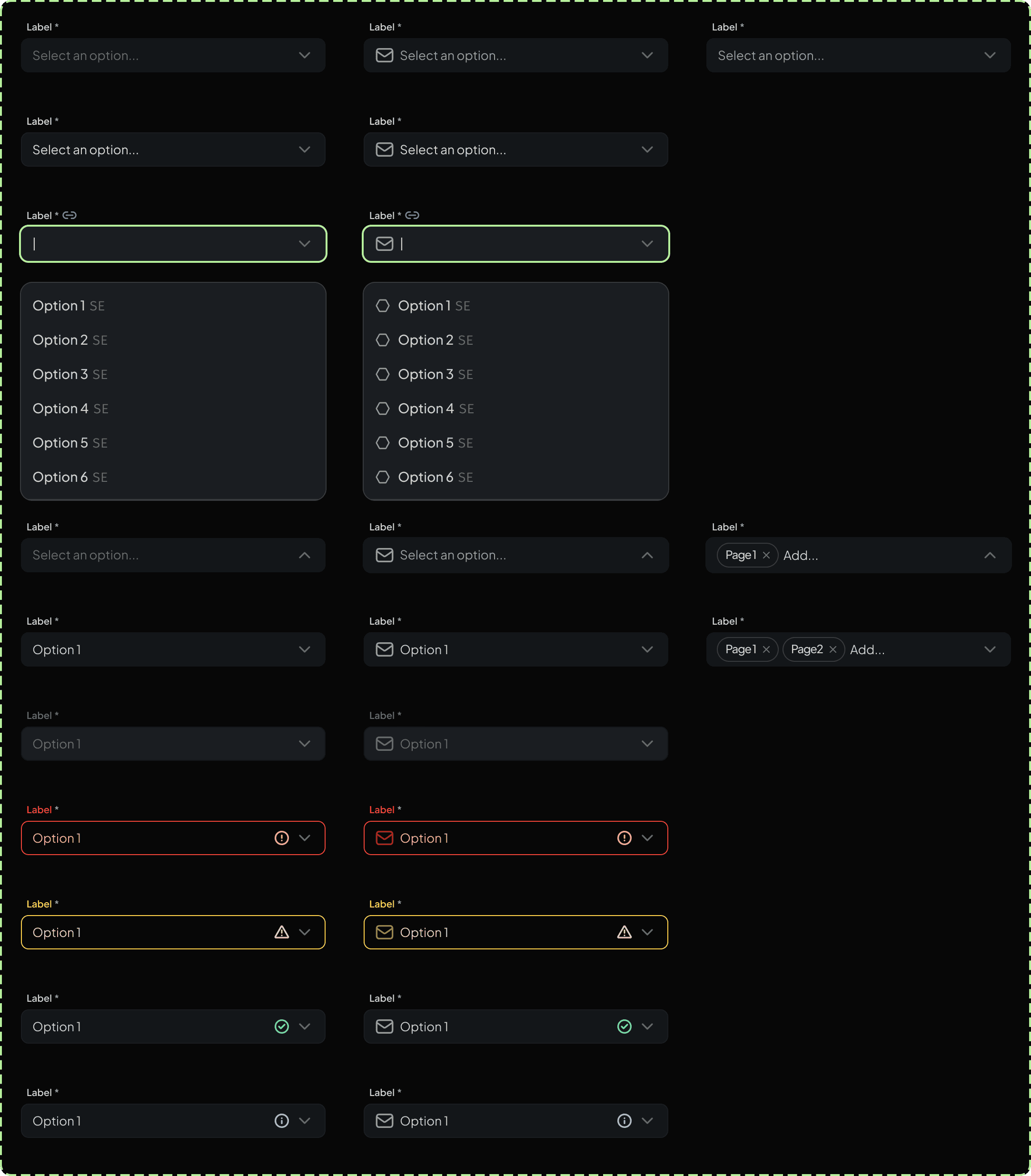
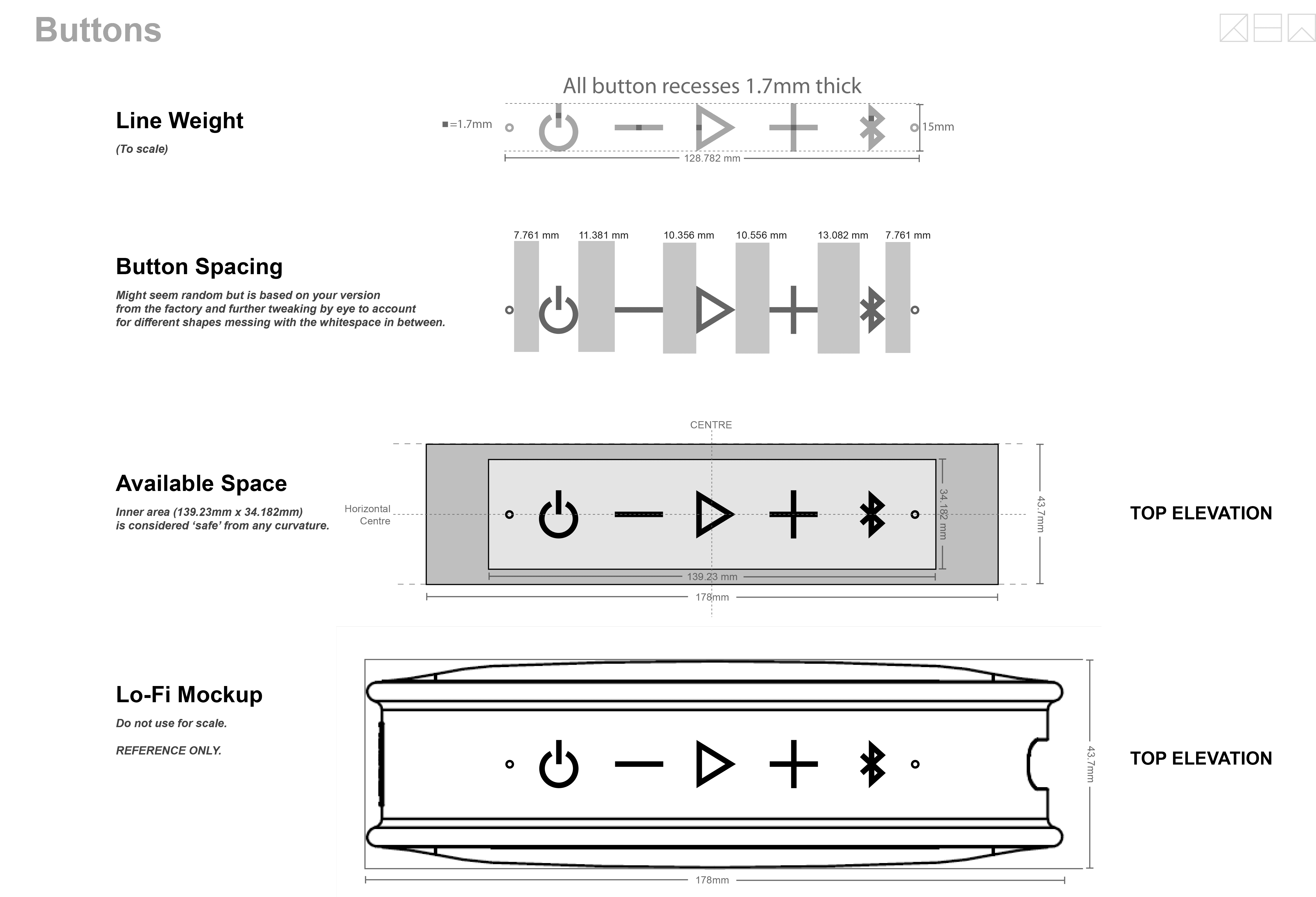
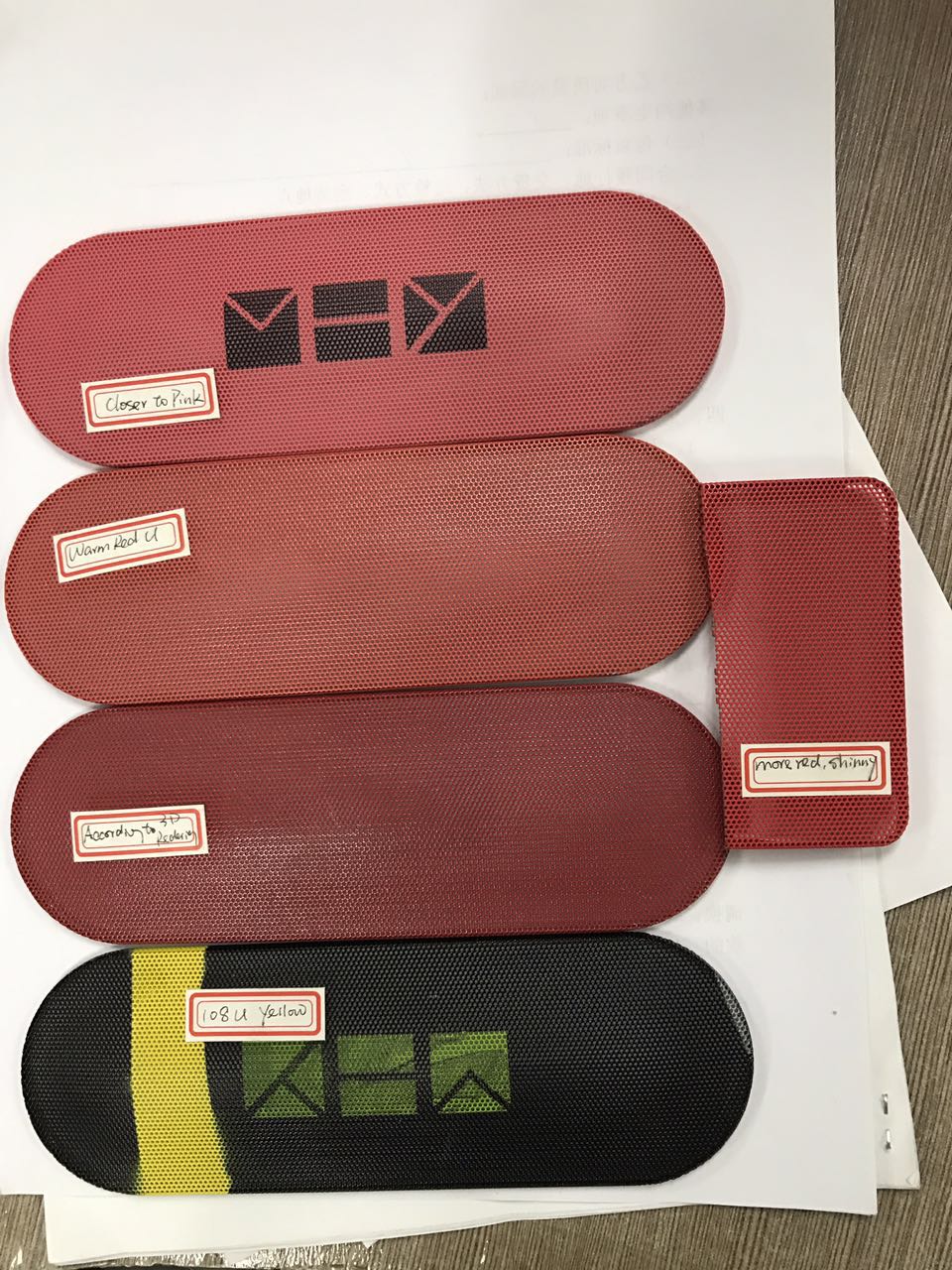
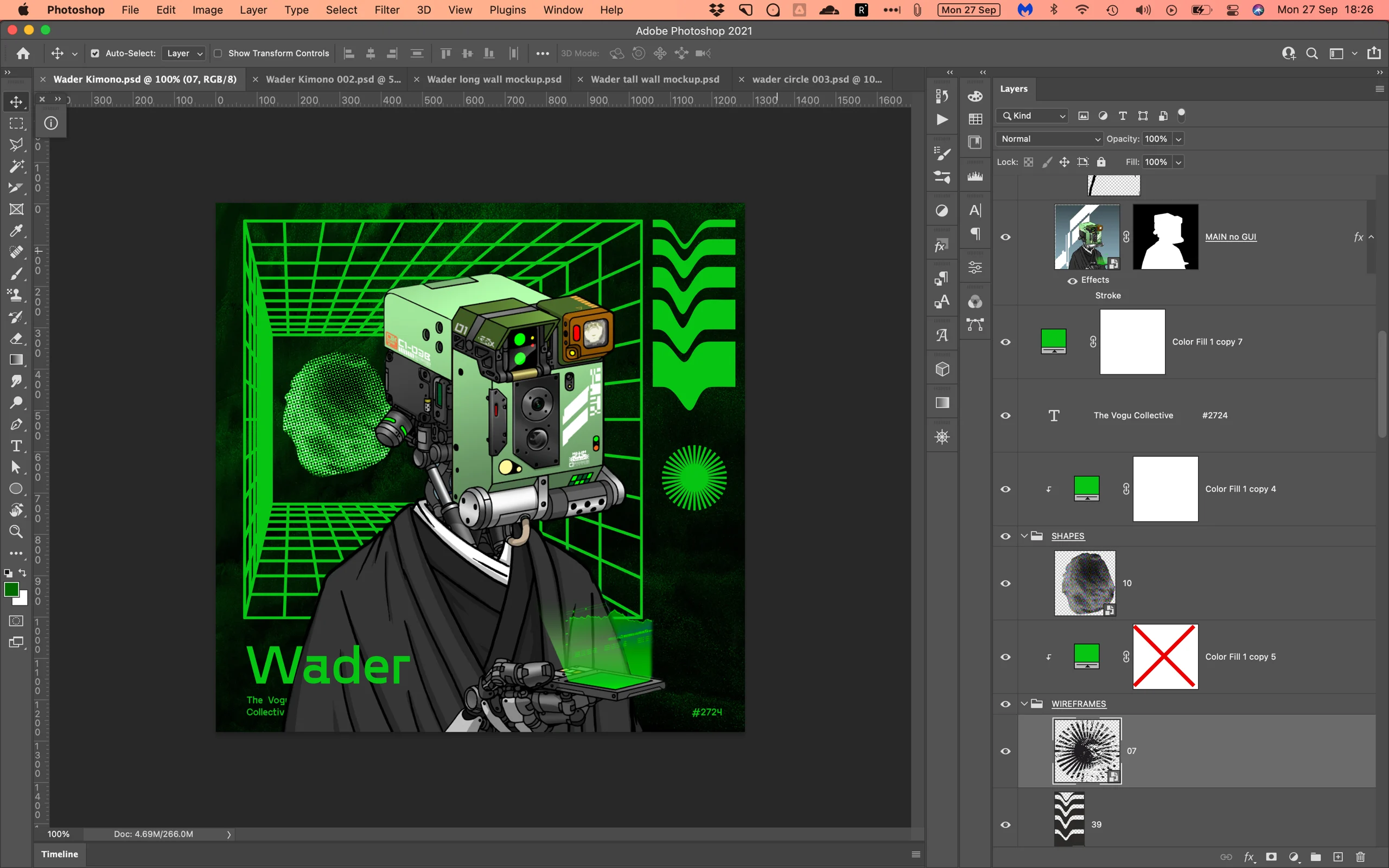
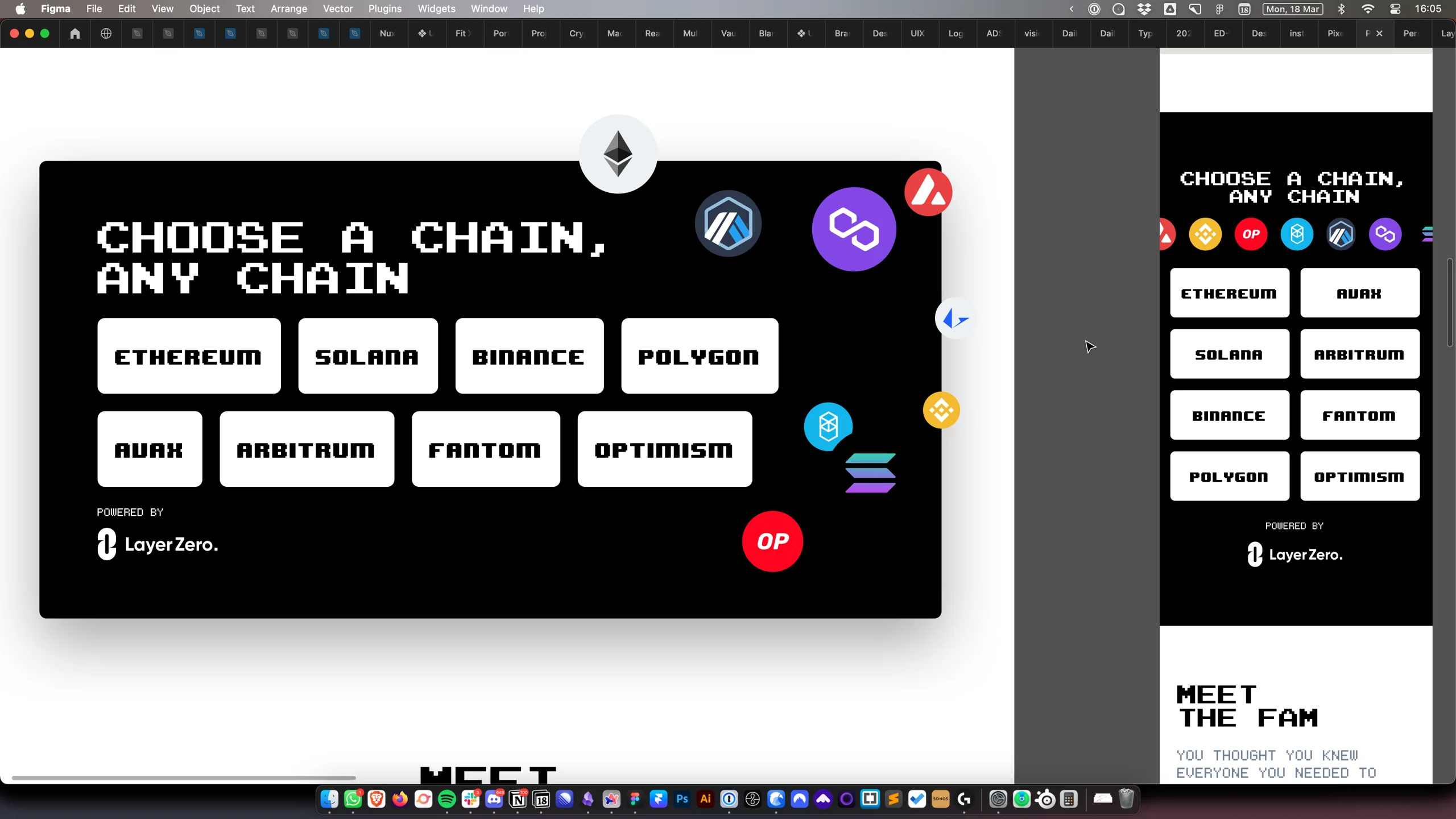
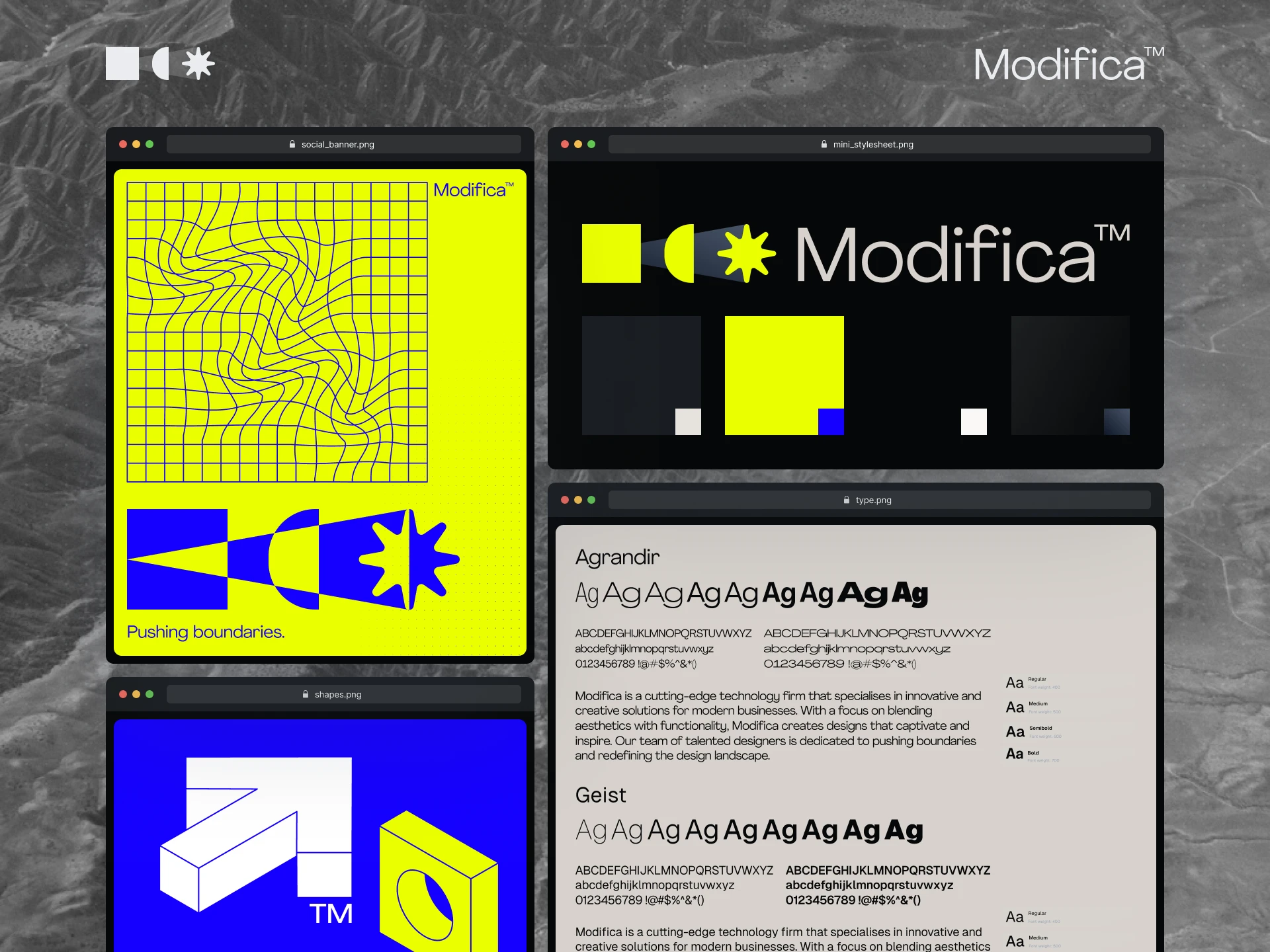
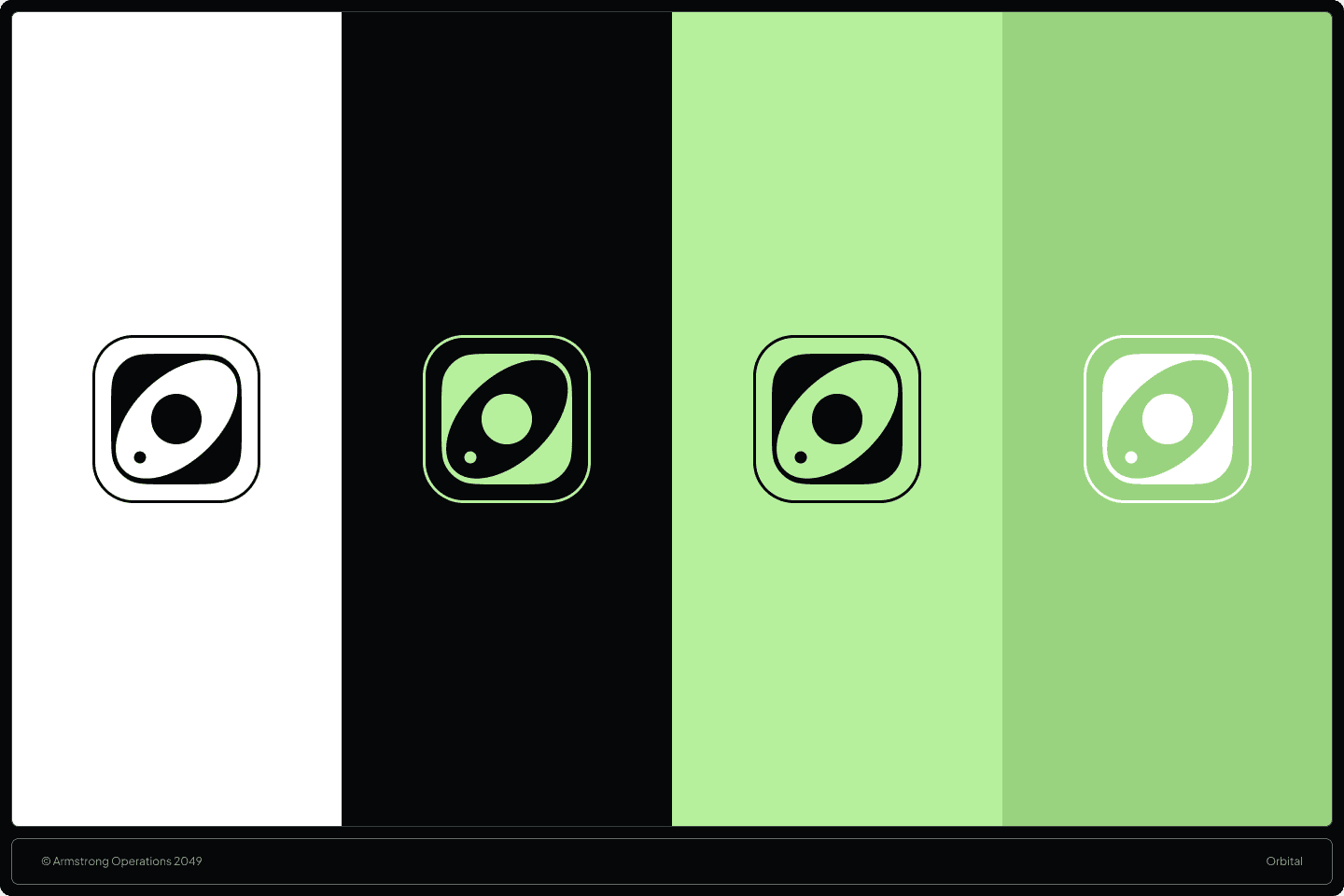
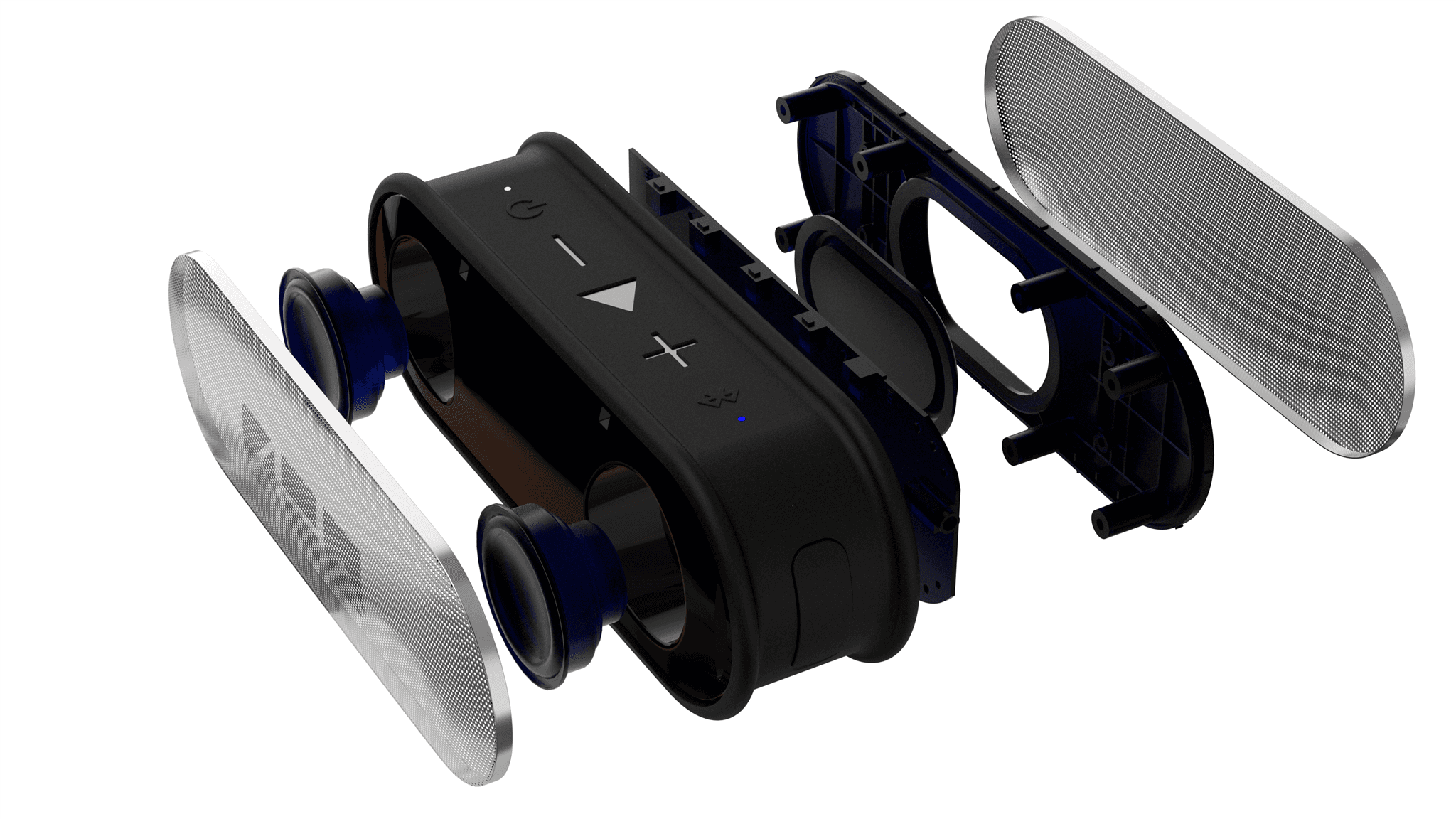
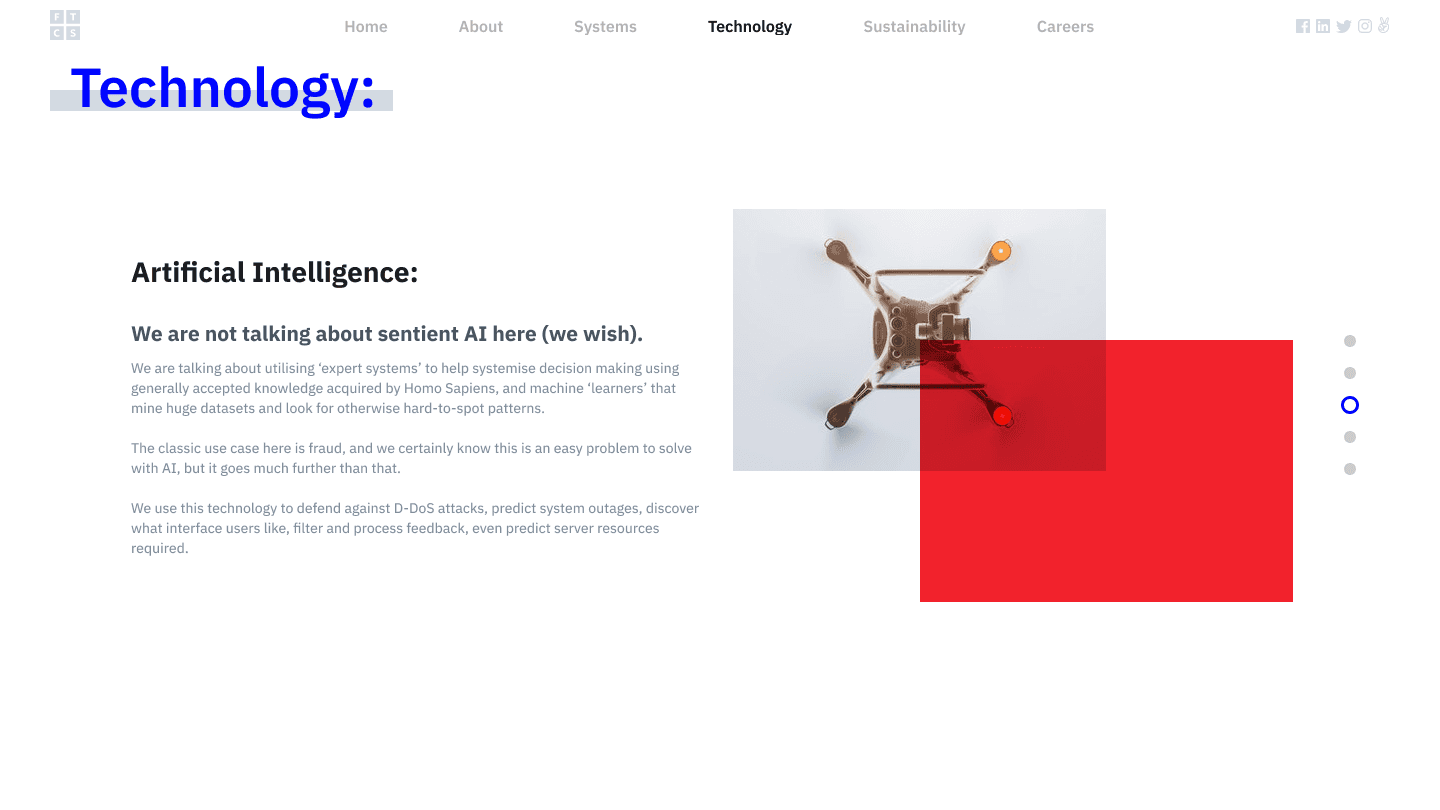
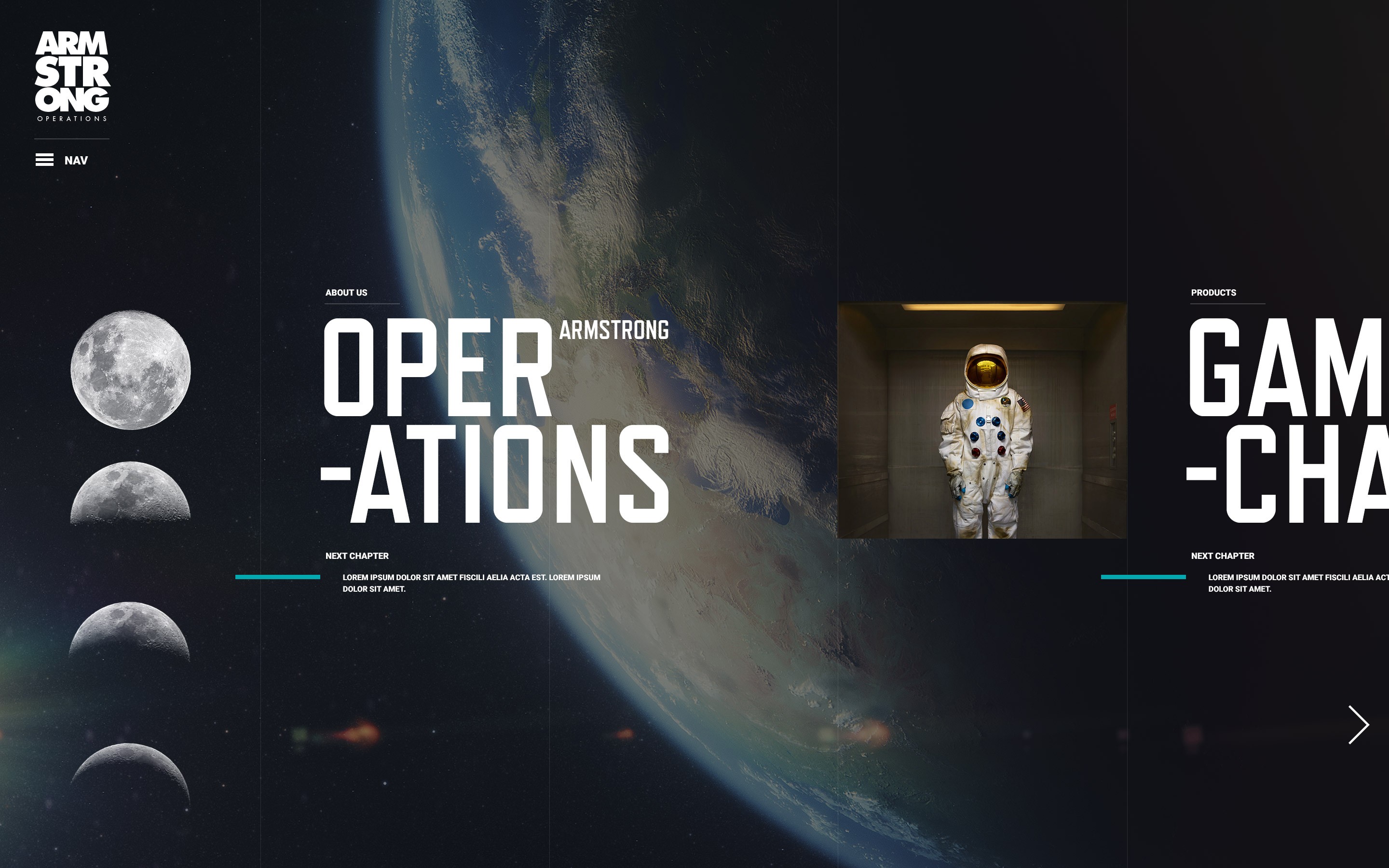
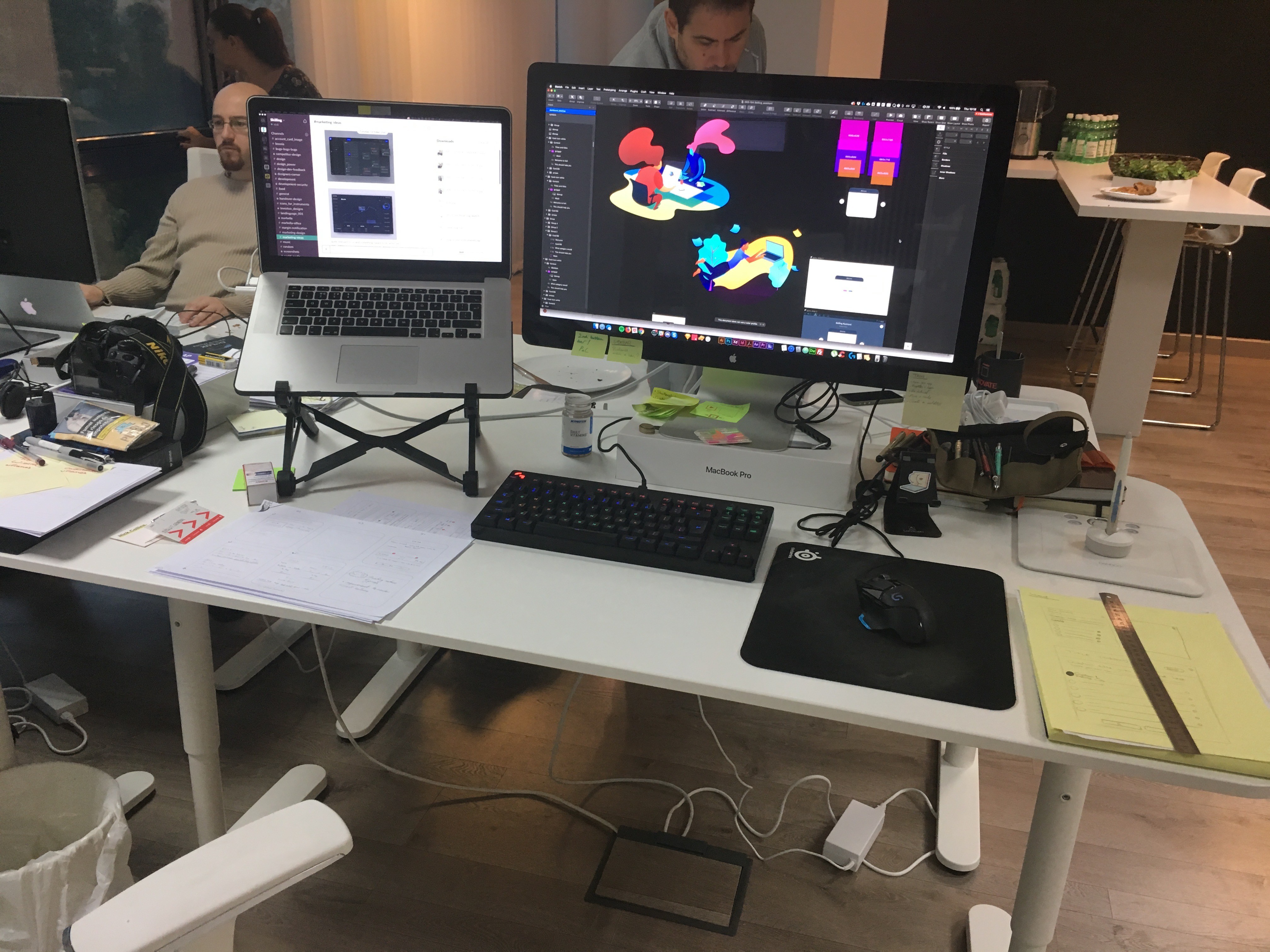
Bits of client work, side projects, experiments, rough process shots, and ideas mid-flight. Some are finished, some aren’t, some just didn’t belong anywhere else.
It’s simply a record of making things, learning as I go, and keeping momentum between the more formal projects.
It’s not a portfolio and it’s not trying to tell a story.
It’s not a portfolio, it’s simply a record of making things, learning as I go, and keeping momentum between the more formal projects.
























































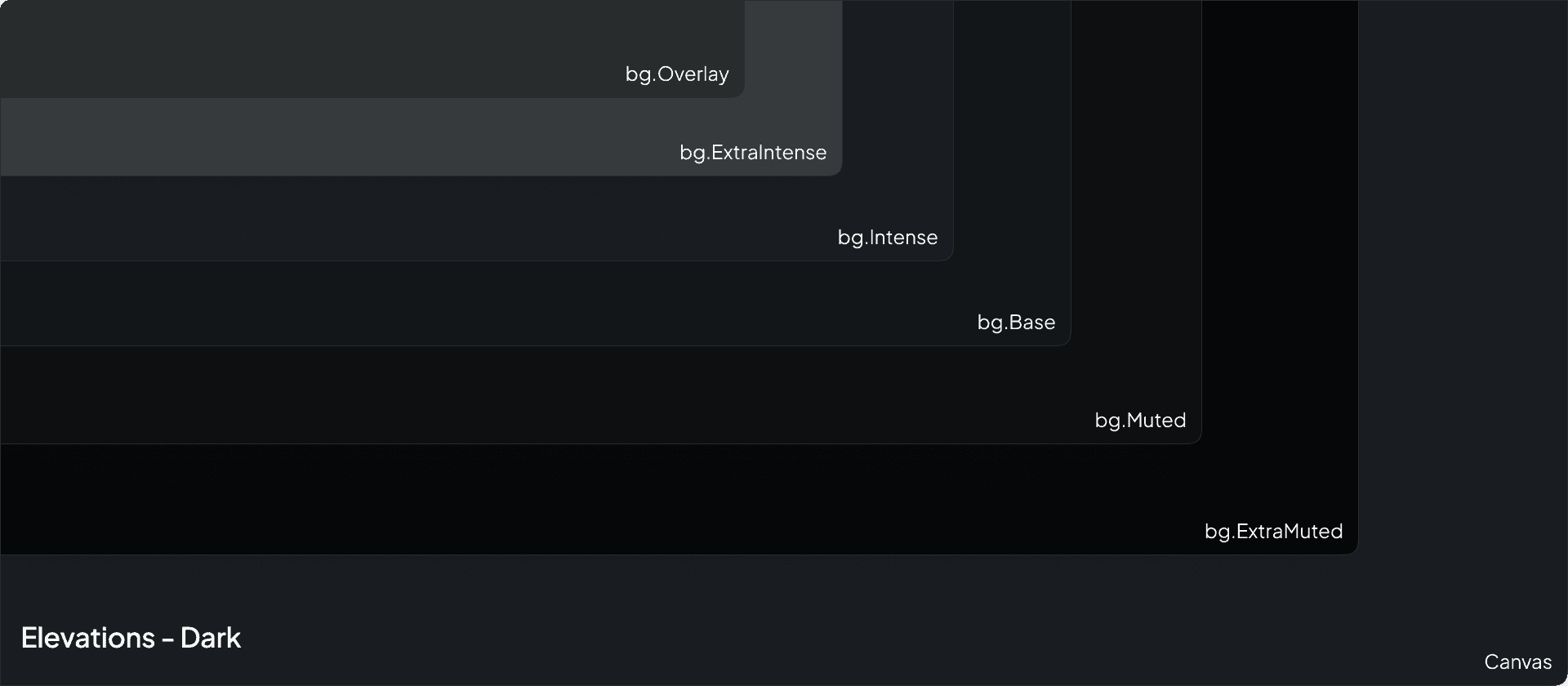






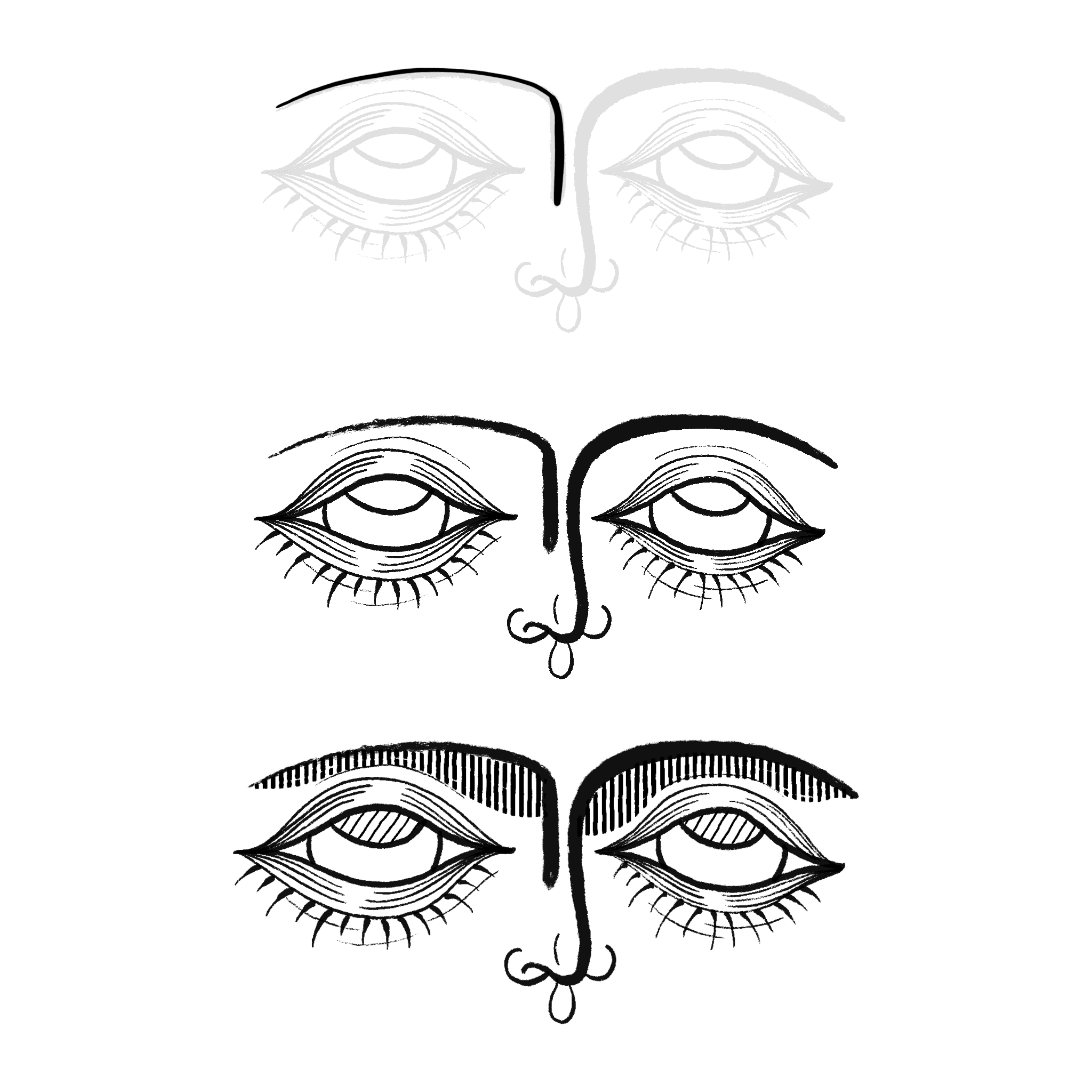

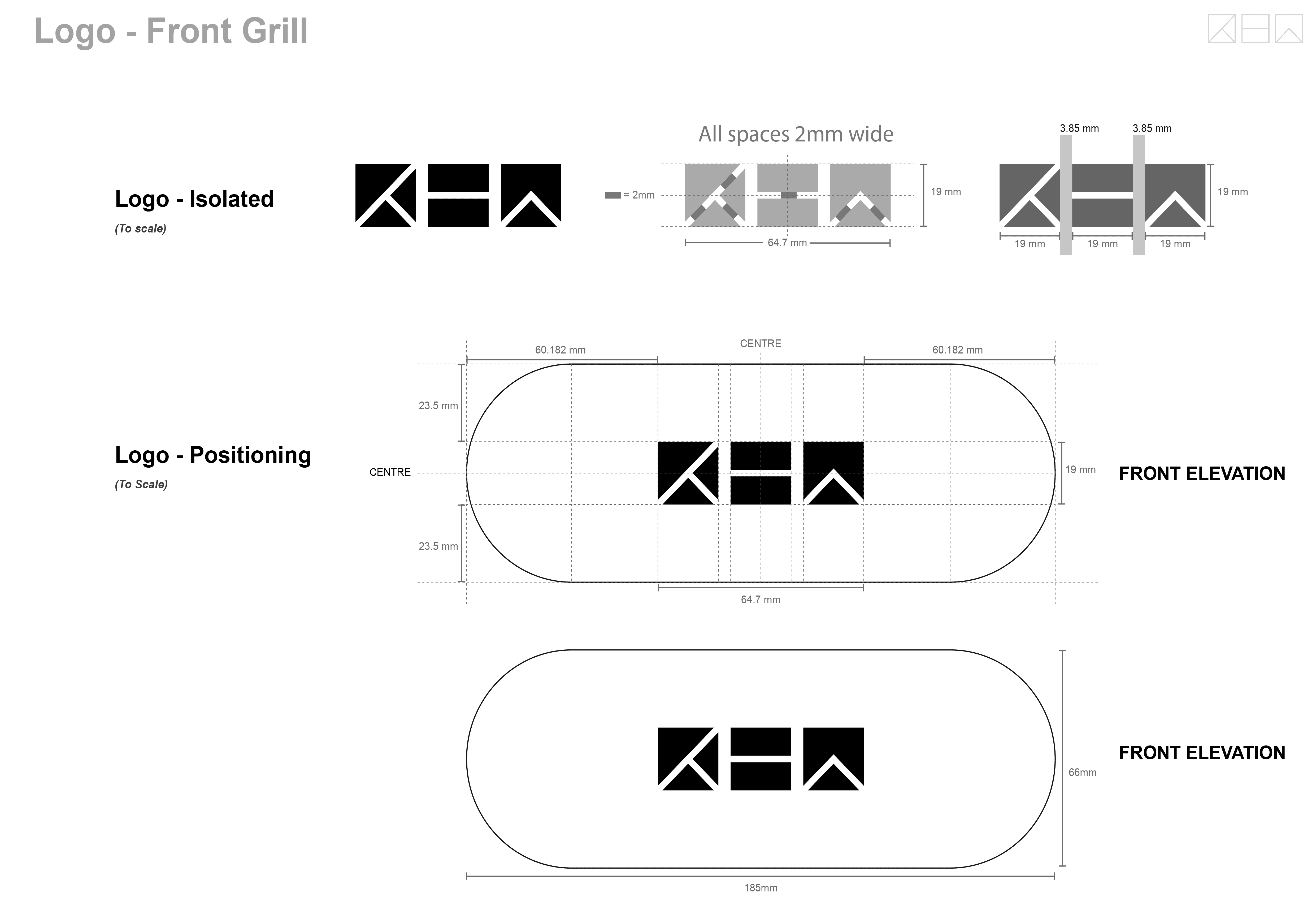





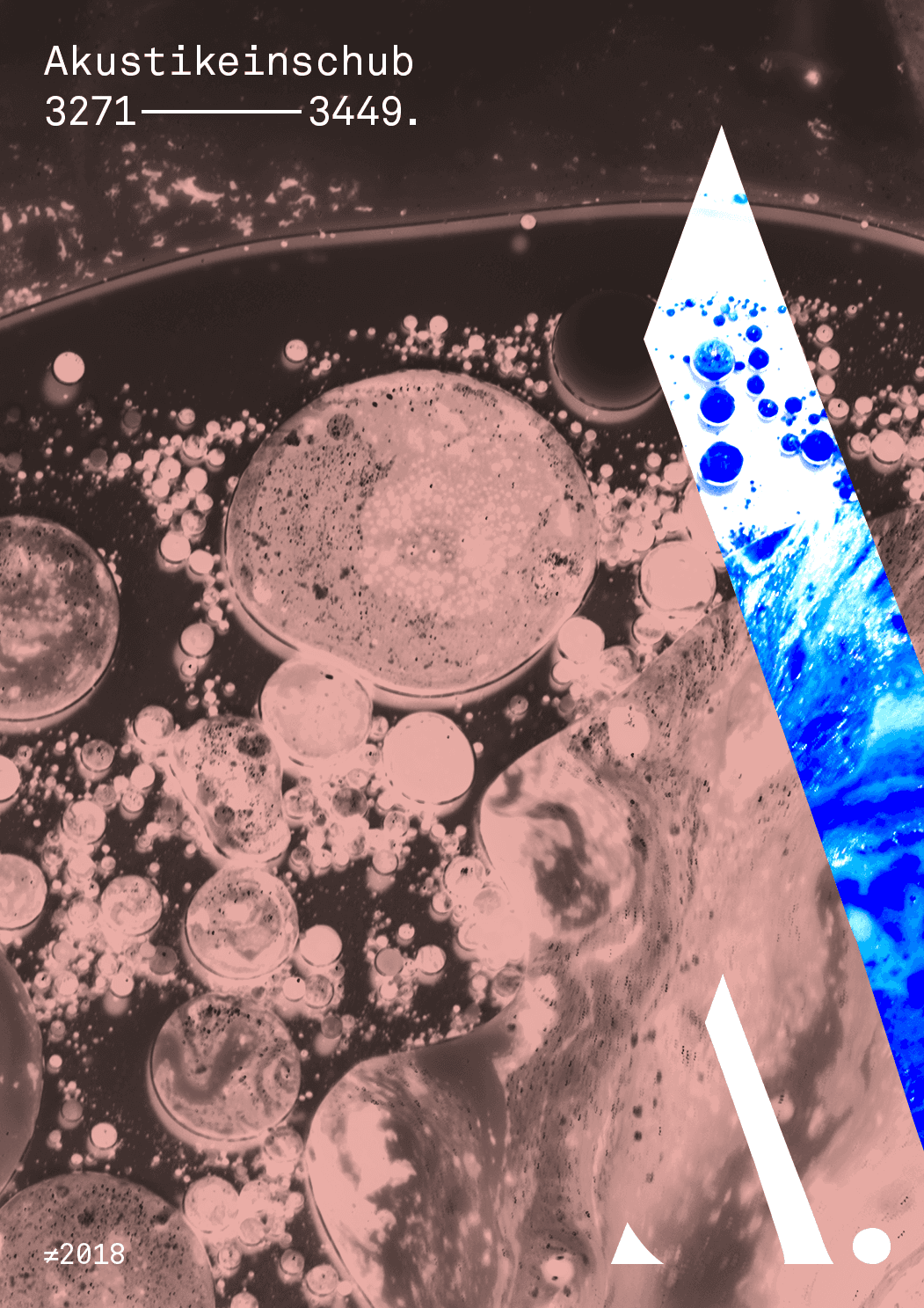
























































Playground
In the architecture of thought, the mind often builds as Masonry, layer upon layer of stone-like impressions, each set with the quiet pressure of memory. Every idea, once placed, steadies the next. Unlike attention, which flits across surfaces, or memory, which catalogs, Masonry endures.
It does not concern itself with speed, but with structure. Every fragment, whether sharp or smooth, finds its place in the wall. Over time, what seemed like rubble reveals itself as foundation. This slow accumulation gives thought its gravity, allowing insight not to arrive, but to stand.



Playground
Playground
Index
Index
In the architecture of thought, the mind often builds as Masonry, layer upon layer of stone-like impressions, each set with the quiet pressure of memory. Every idea, once placed, steadies the next. Unlike attention, which flits across surfaces, or memory, which catalogs, Masonry endures.
In the architecture of thought, the mind often builds as Masonry, layer upon layer of stone-like impressions, each set with the quiet pressure of memory. Every idea, once placed, steadies the next. Unlike attention, which flits across surfaces, or memory, which catalogs, Masonry endures.
It does not concern itself with speed, but with structure. Every fragment, whether sharp or smooth, finds its place in the wall. Over time, what seemed like rubble reveals itself as foundation. This slow accumulation gives thought its gravity, allowing insight not to arrive, but to stand.
It does not concern itself with speed, but with structure. Every fragment, whether sharp or smooth, finds its place in the wall. Over time, what seemed like rubble reveals itself as foundation. This slow accumulation gives thought its gravity, allowing insight not to arrive, but to stand.
◕ ◡ ◕
◕ ◡ ◕
Let's talk.
◕ ◡ ◕